What Does Wood Drying Require?
Anyone who works with solid wood knows how important its moisture content is. Poorly dried wood can warp or crack over time once it has been made into a finished piece, and the lacquered surface can craze. In addition, products made from green wood are unreliable, wobbly and cannot bear loads. Damp wood is prone to fungi and various insect pests. For all these reasons, wood must be thoroughly dried before it is worked. Today there are two main methods of drying wood:
- natural drying, which can be done at home;
- artificial drying, using special wood-drying equipment at production facilities.
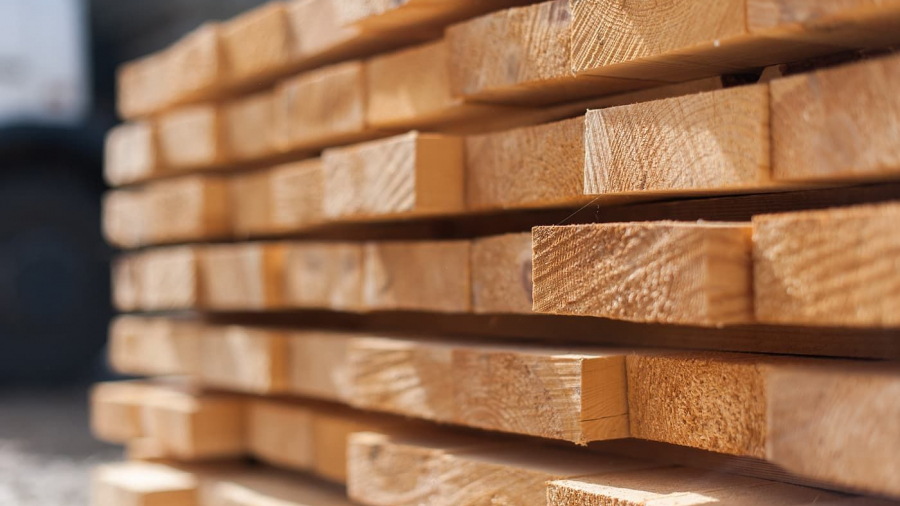
To remove moisture from wood yourself, you need a room without drafts but with a supply of fresh air. The wood must be laid on a flat surface to avoid warping.
Properly dried wood planes perfectly and bonds firmly. You can dry beams and boards as well as whole logs, although logs take longer.
Wood Drying Equipment
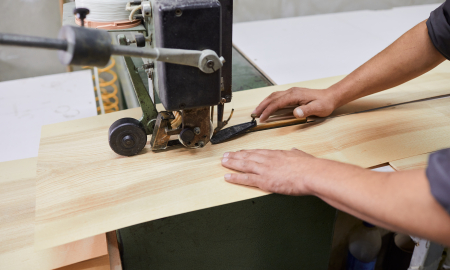
Furniture production requires only properly dried wood, so freshly felled trees are not suitable. First, the moisture content of the wood must be reduced by drying the boards and beams.
Wood moisture content is the ratio of the amount of moisture to the mass of completely dry wood, expressed as a percentage. Freshly felled wood has a moisture content of 60 - 90%. This value can vary between species and depending on the month in which the tree was felled.
For construction work, the moisture content of wood should be reduced to 10 - 15%, and for furniture making to 8 - 10%. Factories use special wood-drying equipment for this, following all drying rules.
Types of Industrial Wood Drying
Industrial wood drying can be:
- contact drying;
- drying in a liquid medium;
- kiln drying;
- drying in a high-frequency electric field;
- vacuum drying.
As a result, dry wood is divided into grades:
- High quality: for machinery and instruments, musical instruments, aircraft parts and skis.
- Superior quality: for furniture.
- Medium quality: for windows and doors.
- Standard: for construction.
When choosing wood for furniture production, Masiv craftsmen prefer material of the appropriate grade. When drying is required, special wood-drying kilns are used.